close
Choose Your Site
Global
Social Media
Industrial thermal processing operates in extreme environments where standard building materials instantly fail. Lining integrity directly dictates operational viability, production output, and plant safety. Standard masonry bricks cannot survive these conditions. We use specialized refractory bricks, often called fire bricks, instead. These engineered materials feature precise chemical compositions. Manufacturers fire them at extreme temperatures to ensure industrial readiness before they ever reach your facility.
Incorrect refractory selection brings severe operational risks. You face premature lining failure, catastrophic equipment damage, and unplanned downtime. Severe safety hazards also emerge when linings fail and expose the steel shell to molten materials. You must match specific types of refractory bricks to exact operational parameters. Balancing thermal, chemical, and mechanical demands ensures long-term stability. This guide covers how to select the right materials for your furnace or kiln. Understanding the exact properties of these materials prevents catastrophic failures. Plant managers and site engineers rely on accurate material data to keep operations running smoothly.
Chemical Compatibility is Non-Negotiable: The fundamental classification of refractory bricks (acidic, basic, neutral) must directly align with the chemical nature of the process slag and gases to prevent rapid corrosion.
Thermal Shock vs. Structural Load: High temperature resistance alone is insufficient; selection must account for Refractoriness Under Load (RUL) and resistance to spalling during rapid temperature cycling.
Raw Material Purity Matters: The shift from natural raw materials to synthetic, highly engineered substances (like calcined alumina or synthetic magnesia) drastically alters both performance ceilings and procurement costs.
System Integrity: The performance of any refractory brick is heavily dependent on compatible mortar selection, rigorous on-site quality checks, and strict adherence to initial heat-up schedules.
Table of Contents
Maximum service temperature differs greatly from continuous operating temperature. A brick might survive 1600°C briefly but fail under continuous exposure. You must define the exact thermal baseline of your furnace. Thermal cycling introduces another critical variable. Rapid heating and cooling cause expansion and contraction within the brick matrix. This movement leads to thermal shock. Bricks lacking thermal shock resistance will crack and spall rapidly. Evaluate your process cycle times carefully. Batch processes experience more thermal shock than continuous operations.
The thermal gradient through the lining thickness also matters. The hot face endures maximum heat while the cold face remains cooler. This temperature drop dictates the required insulation thickness. Engineers map these temperature profiles before selecting materials. You must account for temperature spikes during abnormal operating conditions. A sudden burner malfunction can push temperatures hundreds of degrees beyond the design limit. Your chosen lining must possess enough thermal buffer to survive these short-term excursions without melting or deforming.
Identifying the pH of slags, fluxes, and furnace gases is essential. Acidic slags will rapidly dissolve basic bricks. Basic slags will destroy acidic linings just as fast. You must establish chemical compatibility first. Chemical attack often happens through slag penetration. Molten slag infiltrates the porous brick structure. It reacts with the brick matrix and forms low-melting compounds. This process washes away the hot face layer by layer.
Gas permeability also plays a major role in chemical wear. Alkali vapors penetrate the brick and condense in cooler zones near the steel shell. This condensation causes internal expansion and structural spalling. Understanding the exact chemistry of your raw materials prevents these destructive reactions. You must analyze the fuel source as well. Heavy fuel oils often contain vanadium and sulfur, which create highly corrosive ash deposits. These deposits attack the refractory lining aggressively, requiring specific material countermeasures.
Furnace linings face severe mechanical abrasion daily. Moving charge materials scrape against the walls during loading sequences. High-velocity dust-laden gases scour the roof and exhaust ports continuously. You must identify these mechanical wear sources accurately. Burner blocks endure extreme turbulence and direct flame impingement. Structural integrity under high-temperature compression is equally necessary. Roofs, arches, and load-bearing walls carry massive weight.
Bricks in these zones must resist deformation while glowing hot. Impact zones require specialized high-strength materials. Dropping heavy scrap metal into a furnace tests the physical limits of the lining. You must select bricks that withstand both impact and abrasion. Rotary kilns present a unique mechanical challenge. The rotation of the steel shell creates dynamic stresses on the brick rings. If the bricks lack sufficient mechanical strength, the constant shifting will crush the edges and lead to premature ring failure.
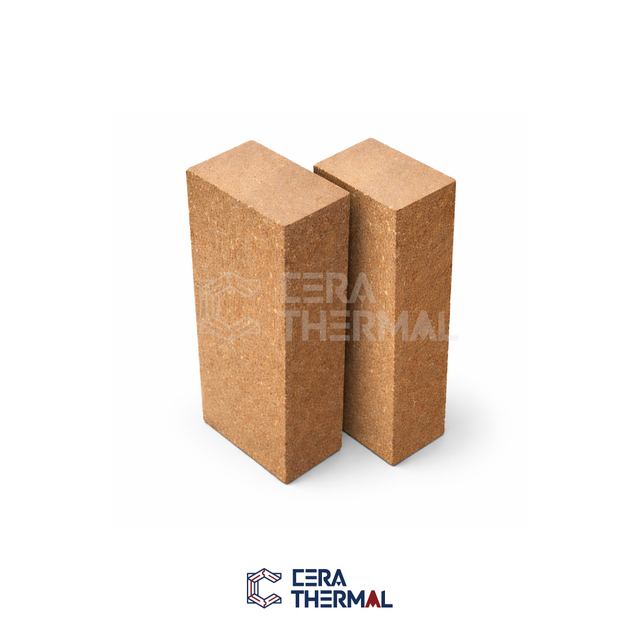
Silica bricks contain very high silica content, usually above 93%. They offer excellent refractoriness under load. These bricks provide outstanding resistance to acidic slags. They maintain exceptional volume stability at high temperatures. However, they suffer from poor thermal shock resistance below 600°C. Engineers primarily use them in glass melting furnaces and coke ovens. The crystalline structure of silica changes during heating. This phase change requires extremely slow initial heat-up schedules to prevent cracking.
Fireclay bricks consist of hydrated aluminum silicates. They are highly versatile and widely available globally. These bricks provide excellent general-purpose thermal resistance. They handle moderate temperatures exceptionally well. However, they remain unsuitable for highly corrosive basic slags. Extreme mechanical wear will also destroy them quickly. Common applications include general furnace linings, kilns, flues, and backing linings. Manufacturers classify them by heat duty, ranging from low to super-duty. Higher duty fireclay bricks contain more alumina and fewer impurities.
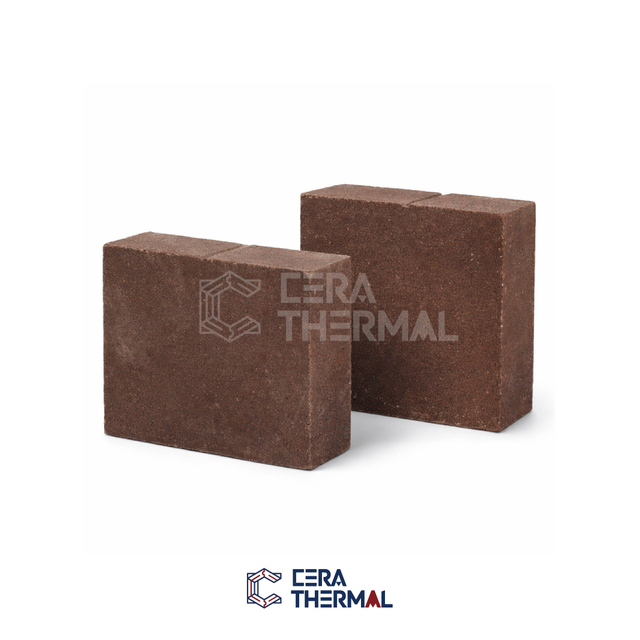
Magnesia bricks, or magnesite bricks, feature high magnesium oxide (MgO) content. They deliver exceptional resistance to basic slags. These bricks withstand extremely high maximum service temperatures. Unfortunately, they are highly susceptible to hydration. Moisture damage during storage remains a constant threat. Steelmaking converters and non-ferrous metallurgical furnaces rely heavily on them. They require specialized mortars to prevent joint failure.
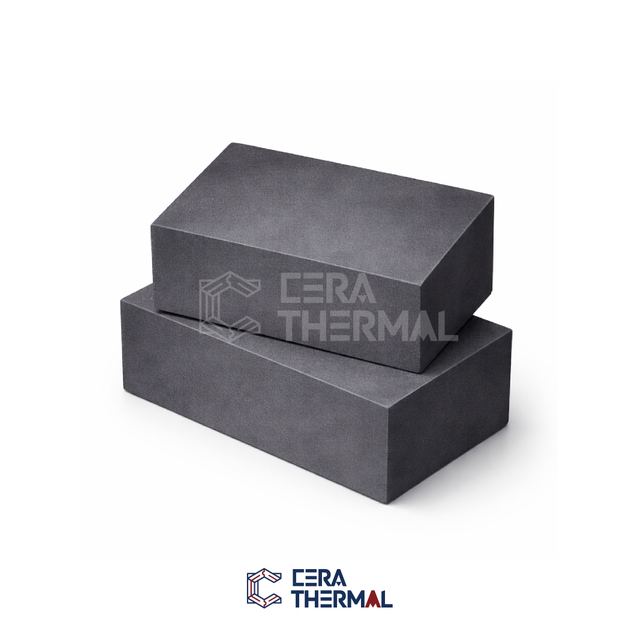
Magnesia-carbon bricks blend high-purity magnesia with flake graphite. Carbon provides unique non-wetting properties against molten slag. This combination delivers superior thermal shock and slag resistance. Slag simply cannot penetrate the carbon matrix easily. However, these bricks remain vulnerable to oxidation. Oxygen-rich environments will burn out the carbon structure. Electric arc furnaces and steel ladles utilize these bricks extensively. Antioxidants are often added during manufacturing to protect the carbon.
High alumina bricks contain 50% to 99% alumina. Manufacturers derive them from bauxite or synthetic calcined alumina. They offer high mechanical strength and excellent chemical neutrality. They resist both acidic and basic environments reasonably well. Cement rotary kilns, glass industry tanks, and blast furnaces use them. The higher the alumina content, the better the high-temperature performance.
Chromite bricks utilize chrome ore as their base material. They maintain high chemical neutrality in mixed environments. These bricks offer good volume stability under extreme heat. They resist both acidic and basic slags effectively. However, they face increasing environmental and health scrutiny. Hexavalent chromium formation poses serious disposal challenges. Plants use them primarily in transition zones of metallurgical furnaces. Many industries are actively phasing them out in favor of chrome-free alternatives.
Silicon carbide (SiC) bricks consist of synthetic SiC grains. They provide extreme abrasion resistance against harsh physical wear. These bricks boast unmatched thermal conductivity. Their thermal shock resistance is virtually unparalleled. Incinerators, muffle furnaces, and cyclone separators depend on their durability. They excel in environments where heat transfer is mandatory.
Zirconia bricks utilize stabilized zirconium dioxide. They offer extreme high-temperature stability above 2000°C. These bricks demonstrate incredible resistance to molten glass and metals. However, they are subject to phase-change volume expansion. Manufacturers must properly stabilize them with calcium or yttrium to prevent cracking. Continuous casting nozzles and specialty glass tanks require these advanced materials. Their extreme density makes them very heavy and difficult to cut on site.
Table: Chemical Compatibility Matrix
Slag Environment | Recommended Material | Reaction Mechanism |
|---|---|---|
Highly Acidic | Silica | Resists silica-rich slags; maintains volume stability. |
Weakly Acidic | Fireclay | Provides general resistance; forms protective glaze. |
Highly Basic | Magnesia | Repels basic slags; prevents chemical dissolution. |
Basic with High Wear | Magnesia-Carbon | Carbon matrix prevents slag wetting and penetration. |
Mixed / Variable | High Alumina | Offers neutral resistance to fluctuating pH levels. |
Extreme Abrasion | Silicon Carbide | Physical hardness prevents mechanical and chemical scouring. |
Cold Crushing Strength indicates handling durability at room temperature. High CCS means the brick resists chipping during transport. It also points to better initial abrasion resistance before the furnace heats up. Refractoriness Under Load serves as the definitive metric for structural stability. It measures deformation under compression at operating temperatures. High RUL ensures bricks endure extreme heat without collapsing.
Load-bearing walls depend entirely on this specific property. Testing RUL involves heating a sample while applying a constant load. The temperature at which the sample deforms dictates its maximum safe operating limit. When designing a furnace crown, engineers calculate the total weight of the arch. They then select a brick with an RUL that exceeds the maximum expected temperature of that specific zone. Ignoring RUL leads to catastrophic roof cave-ins during mid-campaign operations.
Apparent Porosity shares an inverse relationship with mechanical strength. High porosity improves thermal insulation significantly. The trapped air pockets prevent heat transfer. However, it reduces structural strength and invites slag penetration. Low porosity increases density and blocks molten slag effectively. You must install high-density bricks on the hot face. They withstand direct chemical and physical attacks.
Higher porosity bricks serve perfectly as backup insulation behind the hot face. Managing the balance between density and insulation is a core engineering task. When molten slag penetrates a porous brick, it eventually freezes as it reaches the cooler interior zones. This frozen slag alters the thermal expansion rate of the brick face. During the next thermal cycle, the penetrated layer shears off completely. We call this structural spalling, and it destroys linings rapidly.
Thermal expansion coefficients dictate furnace lining design. Bricks expand as temperatures rise inside the vessel. Engineers must calculate this growth to design proper expansion joints. Without joints, expanding bricks will crush themselves. Insulating firebricks feature low thermal conductivity to trap heat. Conductive bricks transfer heat rapidly to water-cooled panels or outside environments.
You select conductive materials when heat transfer is the primary goal. Different brick types expand at different rates. Mixing materials requires careful joint planning to accommodate differential expansion. We typically use combustible materials like cardboard or ceramic fiber board in the expansion joints. As the furnace heats up, the cardboard burns away, leaving the exact amount of space needed for the bricks to expand into. Getting this calculation wrong results in either open joints that leak gas or pinched bricks that shatter.
High-alumina, synthetic, and basic bricks require precise resource allocation. You justify their use through extended campaign life. Standard fireclay might fail after six months in harsh conditions. Advanced bricks can survive for several years in the same spot. Extended lifespans reduce maintenance intervals significantly. Fewer teardowns mean more continuous production time.
Evaluating different types of refractory bricks requires looking past the initial installation. You must calculate the value of uninterrupted production. Labor hours for tearing out and replacing failed linings often exceed the material requirements. Every hour a furnace sits cold for repairs represents lost output. Selecting a higher-grade material for high-wear zones balances the wear profile of the entire furnace, allowing you to run longer campaigns before a complete rebuild becomes necessary.
Selecting the correct brick combination reduces fuel consumption. Dense hot-face bricks protect the structure from wear. Insulating backup bricks prevent heat from escaping the steel shell. This layered approach maximizes energy efficiency. Lower heat loss translates directly to reduced burner output. Proper insulation design pays for itself through ongoing fuel savings.
Cold face temperatures must remain safe for personnel and equipment. Overheating the steel shell causes warping and structural failure. If the shell warps, it compromises the structural integrity of the entire refractory lining inside. We use thermal imaging cameras to monitor the outer shell during operation. Hot spots indicate that the internal insulation has failed or the hot-face bricks have worn too thin. Catching these issues early prevents catastrophic shell burn-throughs.
Site engineers must perform manual quality checks upon delivery. Visual inspection reveals edge damage and missing corners. Dimensional tolerance checks ensure tight joints during installation. Warped bricks create thick mortar joints that erode quickly. The ringing sound test identifies internal micro-cracks. Striking a good brick with a hammer produces a clear ring. A dull thud indicates hidden internal fractures.
Pallets must arrive securely shrink-wrapped and dry. Reject any pallets showing signs of water damage or poor handling. You should also verify the batch numbers against the technical data sheets. Manufacturers occasionally change raw material sources, which can slightly alter the brick's performance. Maintaining a strict quality gate at the receiving dock prevents defective materials from ever entering your furnace.
Table: Common Refractory Brick Defects and Inspection Methods
Defect Type | Inspection Method | Operational Consequence if Installed |
|---|---|---|
Internal Micro-cracks | Ringing sound test with mason's hammer | Premature spalling and structural failure under load. |
Dimensional Warpage | Straight-edge measurement and caliper check | Thick mortar joints leading to rapid slag erosion. |
Edge/Corner Damage | Visual inspection of pallets | Weak points in the lining that accelerate wear. |
Hydration (Basic Bricks) | Visual check for white powder or swelling | Complete loss of structural integrity and crumbling. |
Using mismatched refractory mortar guarantees premature lining failure. You cannot use acidic mortar with basic bricks. Chemical reactions will destroy the joint at operating temperatures. Joint erosion leaves the brick edges exposed to slag. Slag then attacks the bricks from three sides simultaneously. Always match the mortar chemistry exactly to the brick chemistry.
The mortar must also match the thermal expansion rate of the bricks. Thick mortar joints are the weakest point in any refractory lining. Keep joints as thin as mechanically possible, ideally between 1mm and 2mm. Masons must use the proper troweling technique to ensure full joint coverage without excess buildup. Empty voids in the mortar joint allow hot gases to channel through, cutting into the brick like a blowtorch.
Initial heating curves require strict control and patience. New linings contain both mechanical water and chemical water. You must drive this moisture off slowly. Rapid heating causes water to flash into steam. Steam expansion creates massive internal pressure. This pressure causes catastrophic steam spalling. Entire brick faces will blow off before production even begins.
Follow the manufacturer's dry-out schedule exactly. Hold temperatures at specific plateaus to allow moisture to escape safely. We typically hold the temperature around 110°C to remove mechanical water, and then again between 300°C and 400°C to release chemically bound water. Rushing this process to start production early always results in severe lining damage. Use temporary dry-out burners to ensure even heat distribution during this critical phase.
Basic bricks face severe moisture degradation risks. Magnesia and dolomite react aggressively with atmospheric humidity. This hydration causes the bricks to swell and crumble. You must store them in dry, climate-controlled warehouses. Transit requires heavy tarping and careful weather monitoring. Never leave basic bricks exposed on an open construction site.
Even high-alumina bricks should remain dry to prevent moisture absorption. Wet bricks require significantly longer dry-out times, delaying furnace commissioning. Implement a strict first-in, first-out inventory system. This prevents older pallets from sitting in the back of the warehouse absorbing ambient humidity over several months. If a pallet of basic bricks gets rained on, you must discard it. You cannot dry out hydrated magnesia bricks; the chemical damage is permanent.
Map your furnace temperature profiles and slag chemistry before reviewing material data sheets.
Audit your storage facilities to ensure basic bricks remain completely dry and climate-controlled.
Verify mortar compatibility with your chosen brick chemistry through physical testing.
Establish a strict initial heat-up schedule with your engineering team to prevent steam spalling.
For industrial projects that require reliable refractory materials together with application-focused technical support, CERA THERMAL provides refractory and high-temperature insulation solutions supported by experience in material development, manufacturing, engineering applications, and customized services. By combining suitable material selection with practical engineering support, CERA THERMAL helps customers develop more durable and efficient refractory lining systems for demanding high-temperature environments.
A: Fireclay bricks contain lower alumina levels and handle moderate temperatures. They use natural clays and are highly versatile. High alumina bricks contain 50% to 99% alumina, often derived from synthetic materials. They withstand much higher temperatures and severe mechanical stress. High alumina bricks offer superior durability in harsh environments.
A: You must match the brick chemistry to your process slag. Acidic slags require acidic bricks like silica or fireclay. Basic slags require basic bricks like magnesia or dolomite. Mixing opposing chemistries causes rapid chemical erosion. Neutral bricks like high alumina can often bridge the gap in mixed environments.
A: Spalling occurs due to thermal shock, structural pinching, or steam expansion. Rapid temperature changes cause uneven expansion, cracking the brick face. Insufficient expansion joints cause bricks to crush each other. Heating new linings too fast causes trapped water to explode as steam. Strict heat-up schedules and proper joint design prevent spalling.
A: RUL measures a brick's ability to maintain structural integrity while hot and under pressure. A brick might survive 1500°C in a lab but collapse under the weight of a furnace roof at 1300°C. High RUL ensures load-bearing walls and arches do not deform during continuous operation.
A: No. Standard masonry mortar will melt and fail at industrial temperatures. You must use specialized refractory mortar. The mortar chemistry must exactly match the brick chemistry. Using mismatched mortar leads to rapid joint erosion, exposing brick edges to severe slag attack and premature lining failure.
A: Apparent porosity measures the volume of open pores within the brick. High porosity provides excellent thermal insulation but lowers mechanical strength and allows molten slag to penetrate easily. Low porosity creates a dense brick that resists slag attack and physical wear but transfers heat more rapidly.